Advice for Moving on: Leave Quickly & Don’t Look Back

2444_Beryl_Markham_photo_1

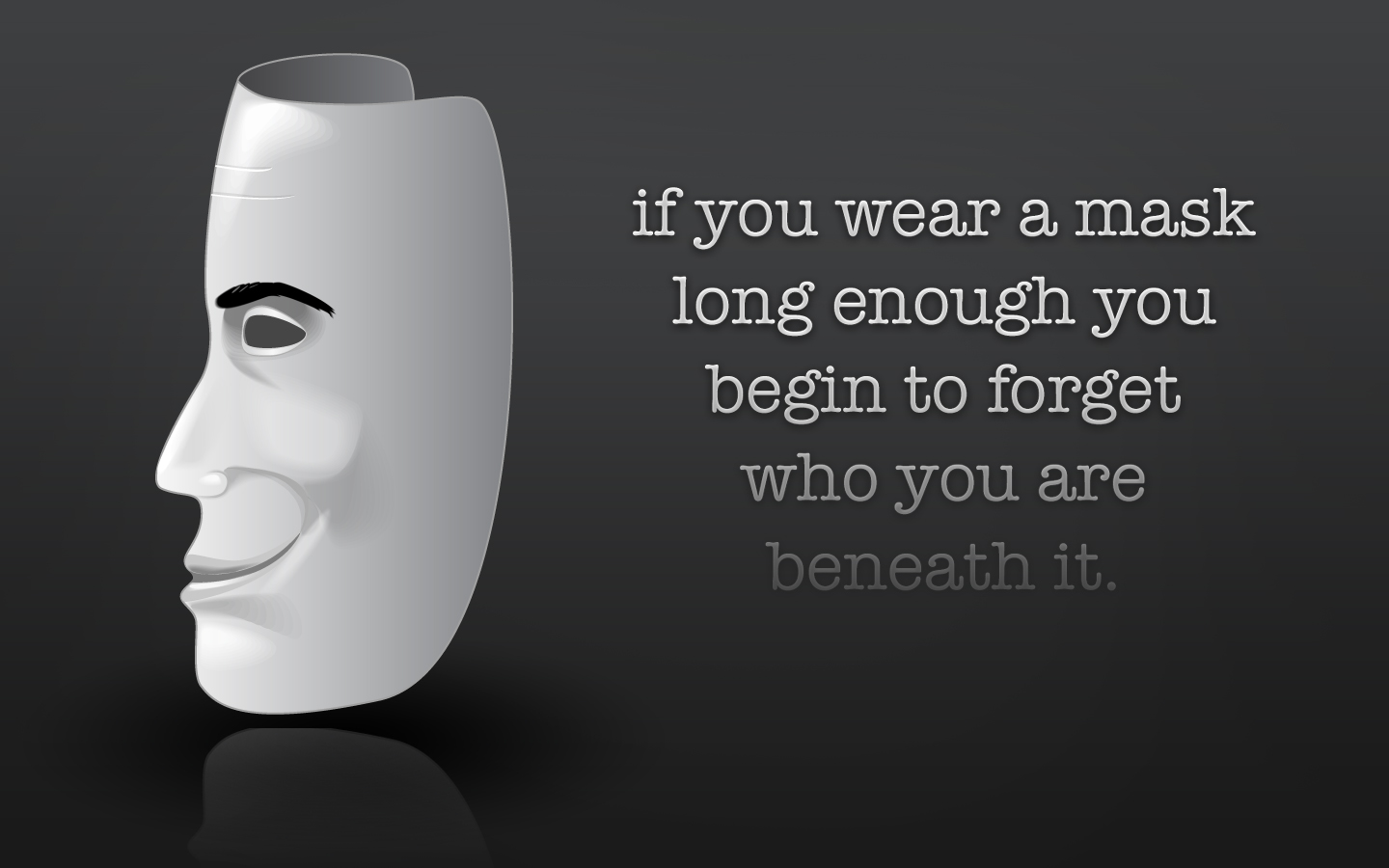
“I have learned that if you must leave a place that you have lived in and loved and where all your yesteryears are buried deep, leave it any way except a slow way, leave it the fastest way you can. Never turn back and never believe that an hour you remember is a better hour because it is dead. Passed years seem safe ones, vanquished ones, while the future lives in a cloud, formidable from a distance.”  ― Beryl Markham, West with the Night

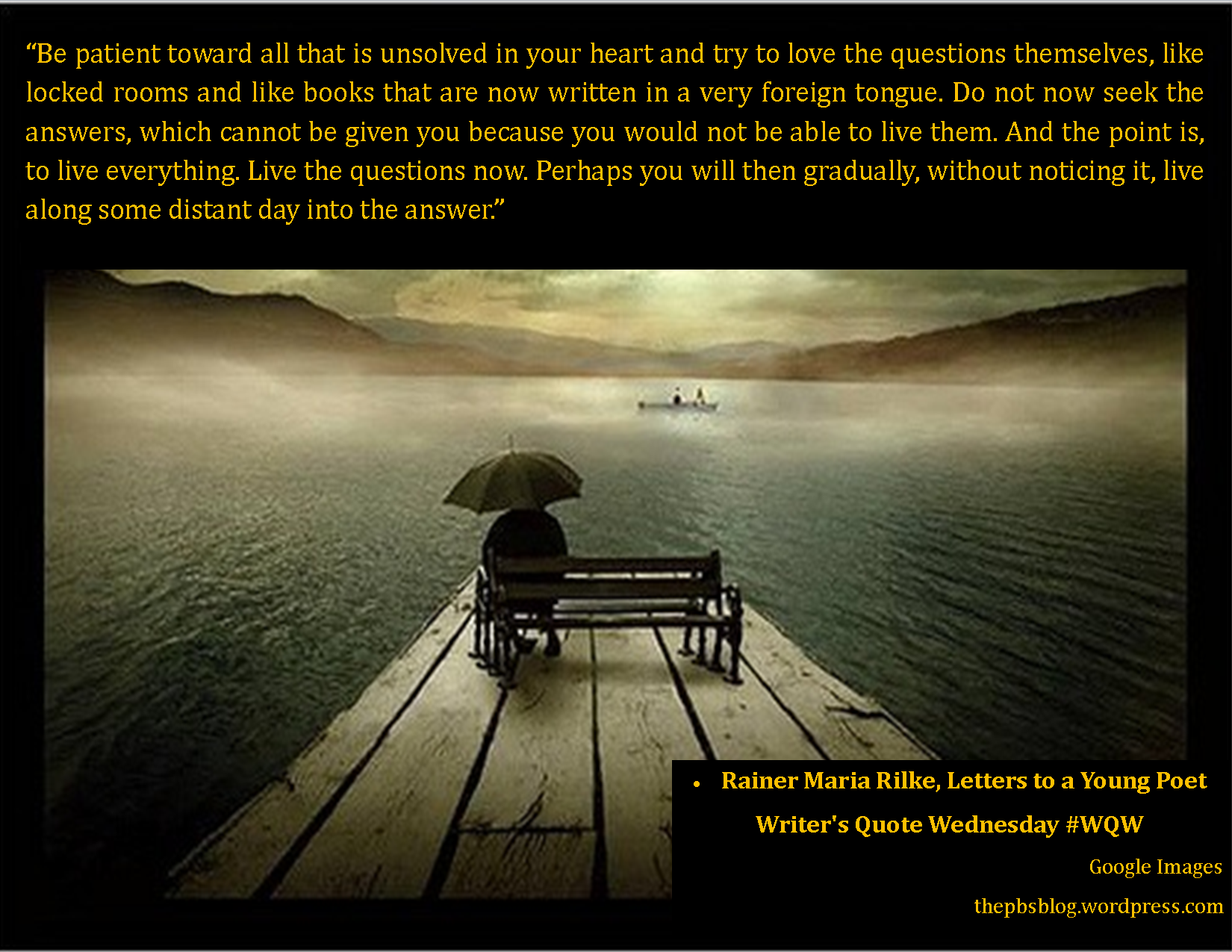
Writer’s Quote Wednesday – Rainer Maria Rilke

Smile, it’s Writer’s Quote Wednesday :). Don’t be shy, Join us:

writers-quote-wed-20151

http://silverthreading.com/2015/01/21/writers-quote-wednesdaypoet-victor-hugo-2015-4/

This week, I quote Rainer Maria Rilke:

WQW

There are two books I always carry with me: 1). The Bible and 2). Letters to a Young Poet. Don’t laugh, but I thought Rainer Maria Rilke was a woman before I saw his picture! It was Sister Act 2 when I first heard his name, so I looked into it to see if Sister Mary Clarence really knew what she was talking about. Here’s my diagnostic of this quote.

Primarily, Letters to a Young Poet has some of the most inspiring quotes concerning life and love. There is such profound truth here. We tend to go through life expecting to be given the answers to every question in the momentary whim to which we seek them. It never occurs to us that we are not in a position to handle the answer to that question. But if we focus on living, and we live, we will stumble upon the answer at a time when we are wiser and more mature. We will understand it then, though we may not understand it now. 

This book itself began as letters Rainer wrote to a young man who was interested in the art of poetry. These letters have been combined into what can be easily mistaken as a book of poetry itself, as it reads.

About the Author: (from Wikipedia)

MTE5NTU2MzE2MzU4MDg0MTA3“René Karl Wilhelm Johann Josef Maria Rilke (4 December 1875 – 29 December 1926) — better known as Rainer Maria Rilke) — was a Bohemian-Austrian poet and novelist, widely recognized as one of the most lyrically intense German-language poets writing in both verse and highly lyrical prose. Several critics have described Rilke’s work as inherently “mystical”. His writings include one novel, several collections of poetry, and several volumes of correspondence in which he invokes haunting images that focus on the difficulty of communion with the ineffable in an age of disbelief, solitude, and profound anxiety. These deeply existential themes tend to position him as a transitional figure between the traditional and the modernist writers.”

Writer’s Quote Wednesday – Love, Hatred, Fear

It’s Your Favorite Day of the week again….Silver Threadings Writers Quote Wednesday.

writers-quote-wed-20151

http://silverthreading.com/2015/01/14/writers-quote-wednesday-dream-writing-2015-3/

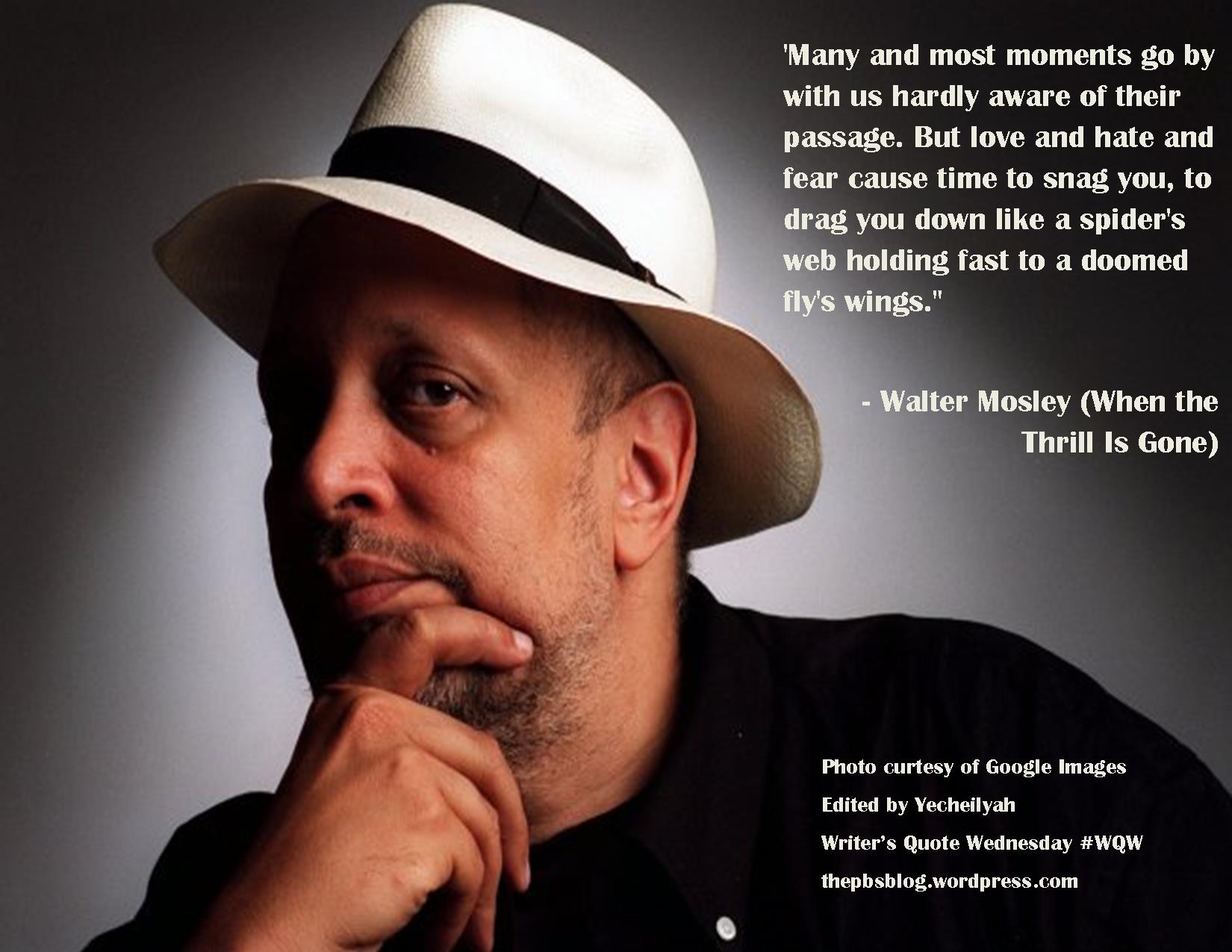
Today, I quote Walter Mosley:
Walter Mosley

Mosely just described three of mankind’s strongest emotions. Together they have the capacity to build up, tear down, and cease movement. They can cause either direction or inaction. Fear is a literal stop sign. It comes with a sickle that can literally wipe out any chance of movement. It is the opposite of courage and nothing can be done without a certain level of courage. Fear also leads to Hatred. It takes a lot of energy to hate someone, and hate will eventually destroy the hater. It will eat you inside out; claw its way out of your mouth until you are nothing more than the jealousy that has consumed you. And Love. Love is a language understood by all of mankind. And as such it is stronger than hatred. Pure love is the answer to every question, the solution to every problem, and the result of every success story. Love overcomes everything because love is everything. It is for these reasons that Love, Hatred, and Fear will always have our attention in one way or the other.

About the Author:

Devil-in-a-Blue-Dress

An only child, Mosley ascribes his writing imagination to “an emptiness in my childhood that I filled up with fantasies”. For $9.50 a week, Walter Mosley attended a private African-American elementary school that held pioneering classes in black history. When he was 12, his parents moved from South Central to a comfortable working-class west LA. He graduated from Alexander Hamilton High School in 1970.

Mosley describes his father as a deep thinker and storyteller, a “black Socrates”. His mother encouraged him to read European classics from Dickens and Zola to Camus. He also loves Langston Hughes and Gabriel García Márquez.

Mosley started writing at 34 and has written every day since, penning more than forty books and often publishing two books a year. He has written in a variety of fiction categories, including mystery and afrofuturist science fiction, as well as non-fiction politics. His work has been translated into 21 languages.

Mosley’s fame increased in 1992 when then-presidential candidate Bill Clinton, a fan of murder mysteries, named Mosley as one of his favorite authors. But Mosley made publishing history in 1997 by foregoing an advance to give the manuscript of Gone Fishin’ to a small, independent publisher, Black Classic Press in Baltimore, run by former Black Panther Paul Coates.

His first published book, Devil in a Blue Dress, was the basis of a 1995 movie starring Denzel Washington.