

“Music was my refuge. I could crawl into the space between the notes and curl my back to loneliness.”
― Maya Angelou
“Music was my refuge. I could crawl into the space between the notes and curl my back to loneliness.”
― Maya Angelou
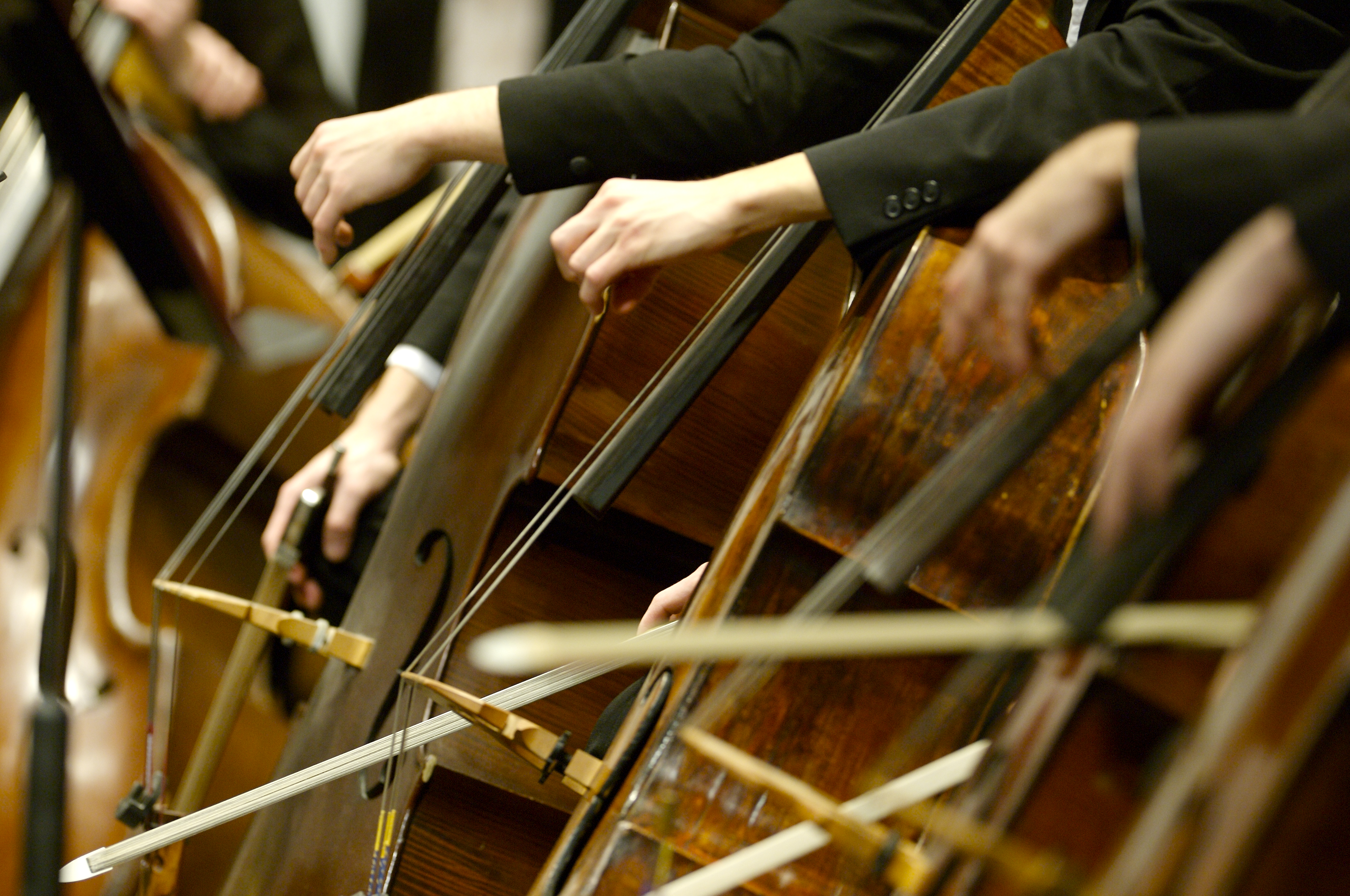
When deep breaths are like swallowing hurricanes that stir up in your stomach
like roller-coasters
and leave you holding on to jagged tooth remains of your invisibility
call upon the deliverance of notebooks and journals
or the speedy salvation of the keyboard
make them your masterpieces
Those days
When you feel like quarter notes
beaten and broken in half
those days
when invisibility finds you sitting beside yourself
those days
when all you need is a reminder
simply press upon the pedal of inspiration
dig inside the pockets of circumstance and resurrect joy from the pit of destruction
sing
and strike the cord of your thoughts firmly against the keys of motivation
for your fingers are golden today
and they bleed truth from the depths of an inner consciousness
Indeed, your words are beautiful today
pulling back the symbolic layers of your metaphors and deciphering your definitions
I can see why your rhymes curve perfectly around the waist of melodies
and swim better than oceans
so play
play us a song
like tongues taste new wine, bring the heat of our passion together like fire to chocolate
because you are special today
and all we need is a beat
a cleft
a time signature
a note
a rest
a song…a stepping stone
to play just the right scripture to guide us back to the music sheet
Yea, something like that
something like
a private symphony

Do you write for therapy? Also known as Journal Therapy, Writing Therapy is the act of writing down thoughts and feelings to either come to a deeper understanding of self, or of the world, or just to provide a kind of healing to the stresses of abuse, insecurities, or everyday situations. It is a form of therapy that I am not sure that everyone who participates is even conscious of. Do writers who write recognize a form of healing from the process? Perhaps that is something we may explore in great depth at a later time. “What drives you to write? What makes you write? What kind of stain does having written a piece leave on you?” These are questions you may feel free to respond to at your own leisure; it will be interesting to see what our answers are to these questions.
In the meantime, below is an excerpt from a piece on Journal Therapy that may be of assistance in the exploration of this topic. This article first appeared in The Illustrated Encyclopedia of Mind-Body Medicine, The Rosen Group, accessed from http://www.journaltherapy.com. ©1999 Kathleen Adams. I hope it is of help to you in your writing endeavors. Enjoy 🙂
The Philosophy of Journal Therapy

In the 1980s many public school systems began formally using journals in English classes and across the curricula as well. These journals, often called “dialogue” or “response” journals, offered a way for students to develop independent thinking skills and gave teachers a method for responding directly to students with individual feedback. Although the intention for classroom journals was educational rather than therapeutic, teachers noticed that a simple assignment to reflect on an academic question or problem often revealed important information about the student’s emotional life. Students often reported feeling a relief of pressure and tension when they could write down troubling events or confusing thoughts or feelings.
Journal Therapy in Practice

Although there are many psychotherapists who incorporate journal therapy into their sessions by assigning written “homework,” there are relatively few who specialize in journal therapy. Therapists who utilize journal writing in a session often begin by asking the client to write a short “check-in” paragraph or two on “what’s going on” — how the client is feeling, what s/he wants to work on in the session, and what’s happening in her/his life that impacts the therapeutic work at hand. This writing is usually shared with the therapist, and an “agenda” for the session is set. The therapist then guides the client through a writing exercise designed to address the therapeutic issues or tasks that the client has brought forward in the check-in or warm-up write. This writing usually takes about 10 minutes, and the remainder of the session is spent with the client and therapist exploring the information revealed in the longer write. The session generally concludes with the therapist offering several suggestions for journal “homework” to be completed between sessions. Journal therapy is also very effective in groups, and it is common for group members to establish a sense of deep community as writings representing authentic expressions of self are shared.
Benefits of Journal Therapy
It is believed that by recording and describing the salient issues in one’s life, one can better understand these issues and eventually diagnose problems that stem from them. Journal therapy has been used effectively for grief and loss; coping with life-threatening or chronic illness; recovery from addictions, eating disorders and trauma; repairing troubled marriages and family relationships; increasing communication skills; developing healthier self-esteem; getting a better perspective on life; and clarifying life goals.
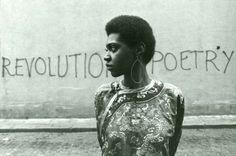
Indefinite streaks of infinity running in one direction
words spilled over into cups of inspiration overflowing with obsession
so she writes
hurrying to let go of the pain caught in the palms of her hands
when
raindrops washed away dirt only to leave blisters of unspoken words on racing lines
how will she ever catch up?
Not talented enough to open her mouth in time to swallow the air so that she may catch her breath
not enough lines left over for exhausted words to sit and to wait
so what do I tell her?
what advice is there available for the woman with bleeding hands and a song to sing?
what kind of shoes are necessary to ensure that she keeps running in the same direction the lines are running
and
how many times
how many times must the caged bird write before she sings?
What advice shall be given to the one behind enemy lines?
Somewhere within the margins of the page
on the WRITE side of the RIGHT side
tell her
to stop hiding under her notebook
Tell her blue lines are not running they’re waiting
to search for similes beneath the surface
like
question marks these lines are empty on purpose
cuz
spoken words are not written they’re spoken on purpose
you tell her ….
this water didn’t come from raindrops in the sky
but the raindrops underneath her eye
-lids
Tell her it’s OK
to cry
even her messiah did
Cuz deeply emotional is the truth
and hearts aint bullet proof
but these lines
tell her these lines are waiting for her to get there
blank paper anticipate being stabbed in the chest
and wait for the blood you call ink to transform into the familiar alphabets the world has grown to love
called words
Indefinite streaks of infinity running in one direction
skillful lines
waiting
2 be heard
Crafting Compelling Stories from the Heart
Rest is Resistance
goodies from my mailbox and camera
I am more than breath & bones. I am nectar in waiting.
virtually travel with us
Dr. Andrea Dinardo, Ph.D., Psychology
Supporting and Promoting Indie Authors
Adventures in Writing
Writer, Reviewer, Activist
The best Mommy advice on all things kids
Writing Advice from a YA Author Powered by Chocolate and Green Tea
Parenting Blogger, Poet & Storyteller, and Children's Book Author.
Changing the World one Article at a time
where all emotions are cared for!
Entertaining Stories and Motivational Quotes
Sweet As Honey Among The Pages.
press on to know the lord
Changing the world, one word at a time.
Featuring books written by authors of color.
Essays, art and poetry
Leaving it all on the page because we are all shattered mirrors looking to mend our images.
Casting Alerts. Podcast series and talent directory about Blacks in Hollywood
Let's Talk About Books
Always on the hunt for a good story
 The PBS Blog