
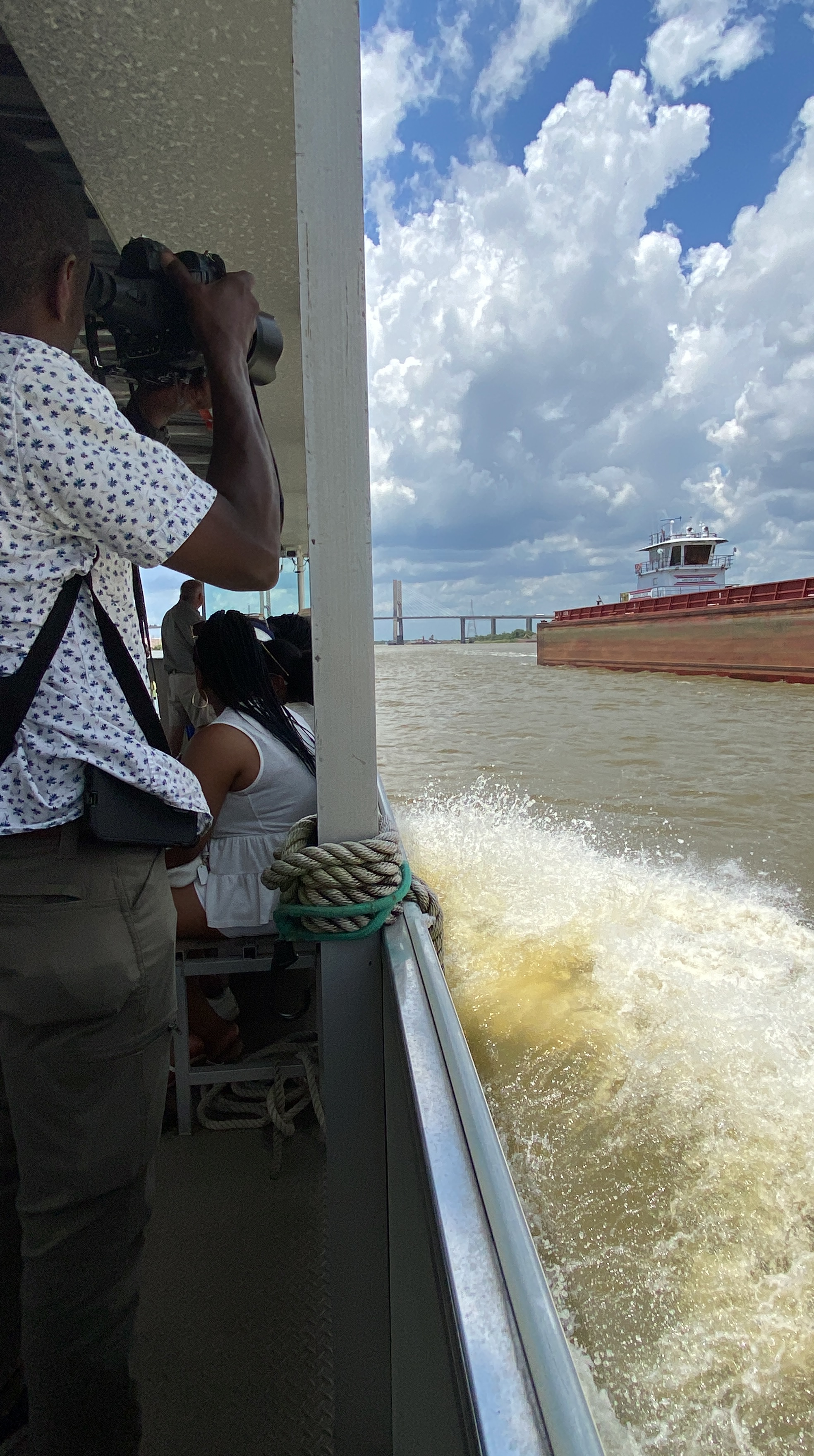
Once upon a time in Alabama, there was a racist white man named Charles Agustus Lamar who was angry with Northern states and their desire to end slavery. He devised a plan to send a ship to Africa to buy Africans for $100 and sell them for $1,500. His ship, called the “Wanderer,” made national news in 1858 that it had successfully imported 370 people from Africa who would be enslaved.
However, the slave trade had been outlawed, and Lamar was arrested for illegal slaving.
That’s when another racist white man, steamboat captain Timothy Meaher, made a bet that he could do the same thing but not get caught.
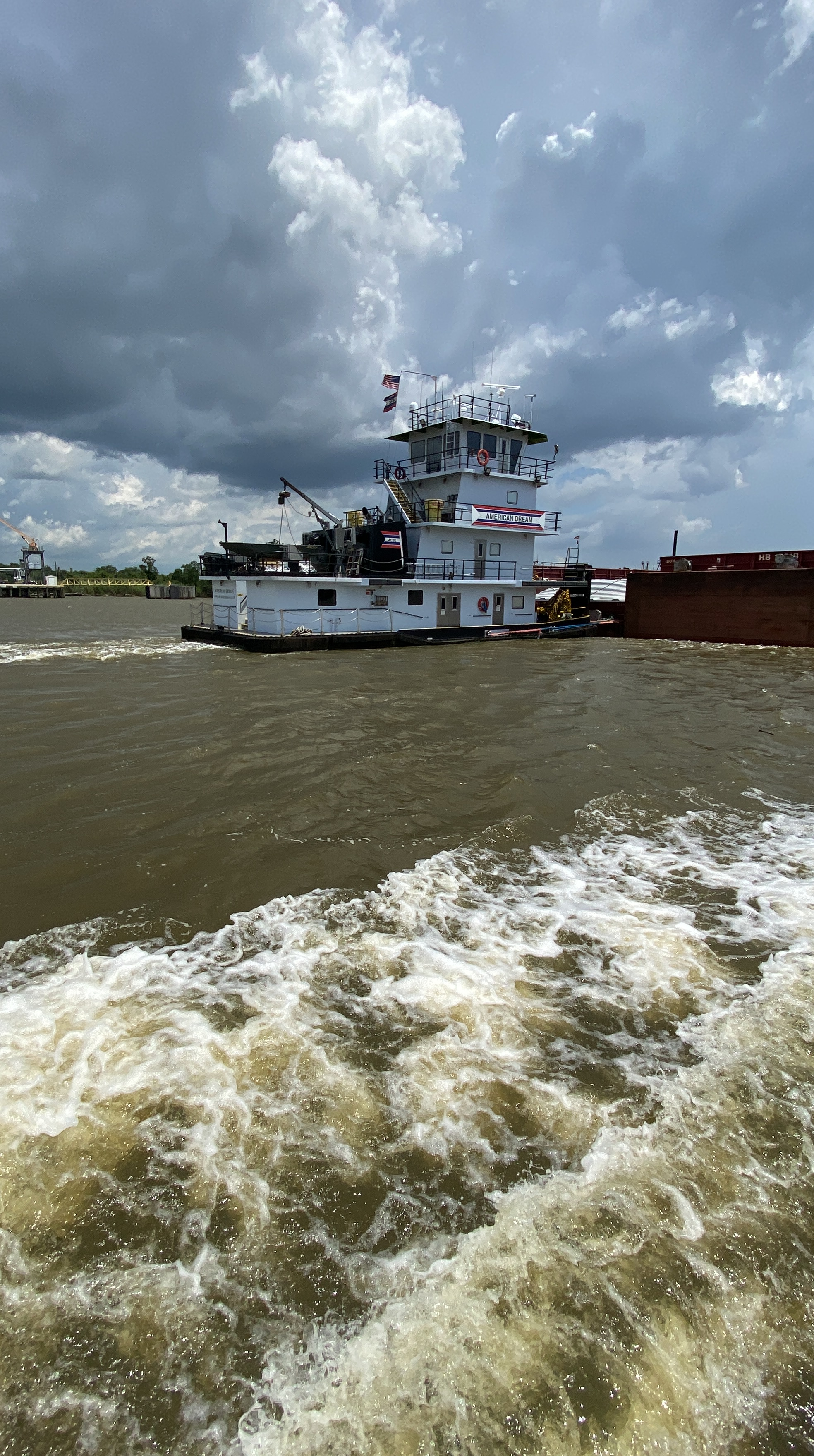
On July 8, 1860, the ship (called the Clotilde / Clotilda) sailed into waters near Mobile Bay carrying 110 men, women, and children stolen from Africa under the cover of night.
They were bought from the Dahomey tribe at $100 each.
After dropping the people off, they burned the ship to hide the evidence, and it was thought to be gone forever.

However, 160 years later, wreckage from the Clotilda was discovered by an environmental journalist, filmmaker, and charter captain Ben Raines who wrote about it in a book The Last Slave Ship: The True Story of How Clotilda Was Found, Her Descendants, and an Extraordinary Reckoning.
On Saturday, July 8, 2023, I and a group of others had the opportunity of a lifetime on the 163rd anniversary of Clotilda bringing our people into this land.
We met and talked with Raines about his journey and findings and sailed to the location of the wreckage, still buried underwater.
It was a humbling experience that filled my heart with much gratitude.

We saw the swamps our people had to walk through once they were let off the steamboat, and it made me truly not want to complain about anything ever again.
A festival was also taking place to celebrate the opening of the Africatown Heritage House.

Once our people were freed, they built their own community and called it Africa Town, which was the original name because the founders ruled it according to the laws and customs of their African homeland. By the early 1900s, Africa Town (later spelled Africatown) was the fourth largest community in the nation governed by African Americans, attracting the attention of Booker T. Washington and Zora Neale Hurston.
Today, Africatown is on the brink of disappearing, though it is a huge part of why this story has been preserved, as the Clotilda prisoners passed it down to their descendants.
More on Africatown and the Clotilda will be covered in the book!
What’s Next?
On our way back from the site, we discussed hopes that there is more focus on preserving the community of Africatown and providing it with the resources needed to thrive. With the money pouring in from the Heritage House, the fear is people might want to come in and gentrify the area. The hope is there is money going into the community to help the people too.

We also hope they do not remove the Clotilda wreckage from the water. Not only will it cost millions of dollars just to remove it, but it might also decrease the value of the wreck and the area.
We propose that instead, a replica of the ship can be made. Again, this will bring resources to the community as everyone wants to see the actual ship. There could be tours conducted to view the replica, the Heritage House, and finally, a boat tour through the location (the same as the one we took this weekend). It can be an exciting three-day or full-day adventure with resources going toward rebuilding the Africatown community.

Africatown is the only known Black community that still exists today that was founded by Black people who had come straight from Africa.
My new book, Black History Facts You Didn’t Learn in School is coming in 2024. I am currently looking for beta readers willing to receive an ARC for advanced feedback. If you are interested, please see this post for details and email me.


 The PBS Blog