Unfamiliar Faces – Lost to History

Last week I published a post called “Unfamiliar Faces – Lost to History” where I listed a few people who were affiliated with major historical events in some way but whom we do not hear much about. I stated that I will attempt to list a few every Thursday. This is not a promise. I will do my best, but most of the faces of the truly unknown are not on Google but are hidden inside the pages of books I’d have to revisit, articles and documentaries. Below are four more faces of the unknown I found this week:

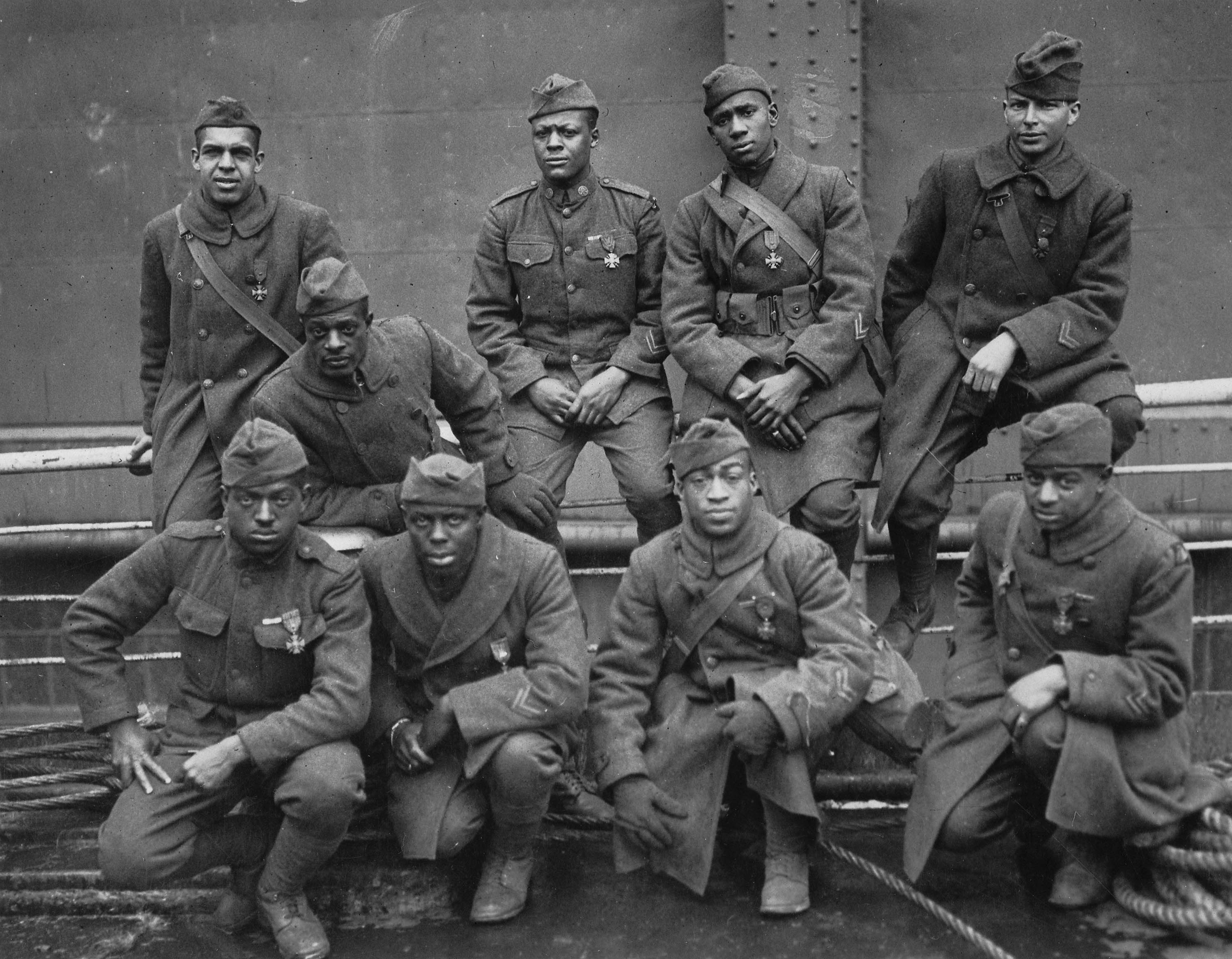
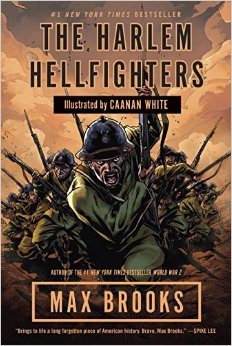
#1: The Harlem Hellfighters
51y8cUNF9AL._SY344_BO1,204,203,200_ 369th_15th_New_York

For those who didn’t already know, African Americans have fought in every major war. Little is known of one of the few black combat regiments of World War I. Nicknamed “The Harlem Hellfighters”, February 17th, the day of their battle, became an unofficial holiday. On February 18th of 1919, 3,000 veterans of the 369th Infantry (formerly known as the 15th Colored Regiment) paraded up Fifth Avenue at 23rd Street to 145th and Lenox for the prestigious Croix de Guerre from the French army.

#2: The Olmecs 
olmecs84 maxresdefault

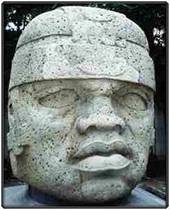
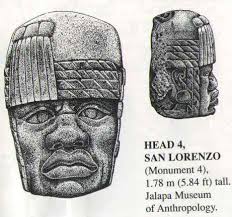
The Olmecs, whose features are similar to that of the African and Asian, are another part of black history we do not often hear about. They, The Olmecs, carved about twenty-two colossal stone heads in the southern parts of Mexico with their likeness and their influence have been found in Guatemala and further south. Olmec type sculptures have also been found in parts of the U.S. In fact, I am not sure if its still there, but there was an Olmec head on the property of The Field Museum in Chicago. If its still there, it should be somewhere near the back for those of you who are in the city.
images

The Olmecs and other pre-columbian Blacks of the Americas were part of a prehistoric trade network that began in Africa and spread worldwide over 100,000 years ago and at various periods afterwards. To learn more about them, read They Came Before Columbus by Ivan Van Sertima and Susu Economics: The History of Pan-African Trade, Commerce, Money and Wealth.

#3: Cpl. Roman Ducksworth Jr

40ducksworth

A military police officer stationed in Maryland, was on leave to visit his sick wife when he was ordered off a bus by a police officer and shot dead. The police officer may have mistaken Ducksworth for a “freedom rider” who was testing bus desegregation laws.

#4. Triple Nickles
5551

When my husband and I went to the movies about a month ago, a man had on a shirt displaying The Triple Nickle. My husband, former military, stopped and sparked up a conversation with the man. He was surprised to see it since no one really knew who they were. To our surprise, neither did the man. He was just wearing the shirt.

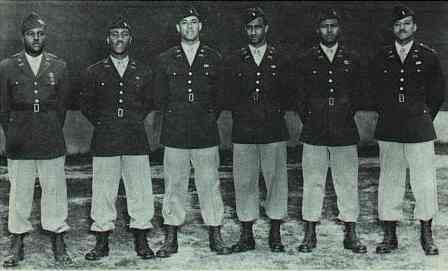
In 1944, 16 black men completed jump training and became parachute-qualified. The Triple Nickles Battalion was the first black airborne unit. Historians suggest the unit paved the way for a more integrated military.

Unfamiliar Faces – Lost to History

Have you ever wondered about those people who were part of history but who you never hear about? Sometimes people get lost to history. For whatever reason, their stories don’t make it to mainstream news, most of the time until years or even centuries later. Below is a list of four random people who were involved in major historical events in some way but whom we never hear much about. I will list a few every Thursday time permitting.

#1

Irene Morgan Kirkaldy in Hartford, Conn. Original Filename: A1.JPG ORG XMIT: ; 27

Irene Morgan – We have all heard of Rosa Parks, but there were at least three women who refused to give up their seats on the bus in the Jim Crow south over the course of history. Eleven years before Parks, Irene Morgan, later known as Irene Morgan Kirkaldy, an African-American woman, was arrested in Middlesex County, Virginia, in 1944 for refusing to give up her seat on an interstate bus according to a state law on segregation. The Irene Morgan Decision inspired the men and women of CORE to create a nationwide protest movement called “The Journey of Reconciliation” when groups of civil rights activists rode buses and trains across states in the South in 1947, a sort of precursor to The Freedom Rides of 1961.

The Irene Morgan v. Commonwealth of Virginia, handed down a landmark decision on June 3, 1946, when they agreed that segregation violated the Constitution’s protection of interstate commerce. Irene Morgan v. Commonwealth served as a catalyst for further court rulings and the Civil Rights movement. Eight years later, the Supreme Court decided in Brown v. Board of Education that segregation violated Equal Rights Protection.

Irene Morgan died on August 10, 2007.

#2

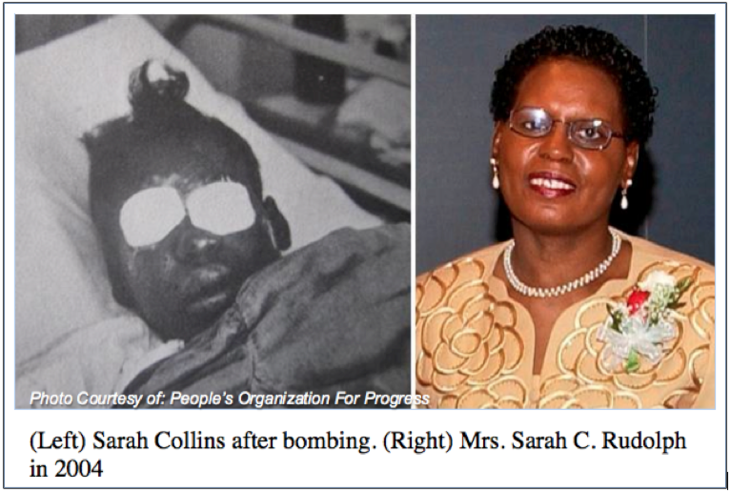
SarahCollinsRudolph0_0_293_305

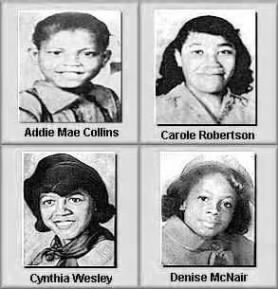
Sarah Collins Rudolph – We’re all familiar with the story of the Four Little Girls who were killed in the 1963 bombing of the 16th Street Baptist Church in Birmingham Alabama. However, there were five little girls who were injured, four died but one remained. Sarah Collins Rudolph is the fifth little girl who was injured in the 1963 bombing. Her story touches my heart because she was blinded and there is nothing like losing your eyes. In 1963, the Ku Klux Klan bombed the 16th Street Baptist Church in Birmingham, Alabama. Sarah Collins Rudolph survived the blast, but her sister Addie Mae and three other girls were killed. Today, Sarah still struggles with the aftermath of the bombing.

Update (2017)

Speaking of Addie, another lost to history fact (something that is just becoming known but that didn’t make news upon discovery) is concerning Addie’s missing body. Thirty years after the bombing, her sisters visited the grave. Seeing the condition, the neglected state it was in, they decided to move the body to a better-maintained area. However, when they dug up the grave, they discovered the corpse was gone but not only was the corpse gone but so was the casket itself. Addie Mae’s body was missing. The last reported update came in May of this year (2017) when an underground radar company searched and found what appears to be a child’s casket. Read More Here

#3

40ware

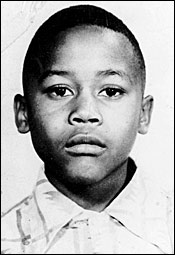
Virgil Lamar Ware – Emmett Till wasn’t the only youngin who perished in that day. Virgil Lamar Ware is a name we don’t hear very often or probably never did. At 13, Virgil was riding on the handlebars of his brother’s bicycle on September 15, 1963 when he was fatally shot by white teenagers. The white youths had come from a segregationist rally held in the aftermath of the Sixteenth Street Baptist Church bombing. Talk about six degrees of separation (Six degrees of separation is the theory that any person on the planet can be connected to any other person on the planet through a chain of acquaintances that has no more than five intermediaries.)

#4

40smith

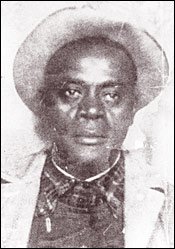
Lamar Smith – We have all heard of Emmett Till who was murdered August 28 of 1955. What we don’t hear a lot about is the murder of Lamar Smith just two and a half weeks earlier of this same year. On August 13, 1955 in Brookhaven, Mississippi, a man named Lamar Smith was shot dead on the courthouse lawn by a white man in broad daylight while dozens of people watched. The killer was never indicted because no one would admit they saw a white man shoot a black man.