Black History Fun Fact Friday – The Immortal Life of Henrietta Lacks

Originally Published February 27, 2015

Publicationbhff

Today is a special Friday because we’re going to be talking about a special woman in history. She’s a unique study because there is not a lot of information on her. While technology has blessed us with the internet so that we no longer have to sit through 500-page books and encyclopedias, the best way to research her life is actually through books, and I have a perfect one for you to check out. It is because of this book that search engines are just now coughing up information about it. I didn’t intend to make another book recommendation, but this one goes hand in hand with last week’s post so much, so I could not help it. It is almost a single example that alone validates Harriet’s study. For last week’s post, Medical Apartheid, Click Here.
marcusMany of you have heard of her in biology class, but you probably didn’t know you were studying her cells. If you have ever sat through a class on cells and heard the term HeLa, you’ve heard of her. Your science professor more than likely described it like this:

“A HeLa cell, also Hela or hela cell, is a cell type in an immortal cell line used in scientific research. It is the oldest and most commonly used human cell line. “

That was probably the extent of the explanation. There is even a scientific name for HeLa, and it’s called Helacyton Gartleri.

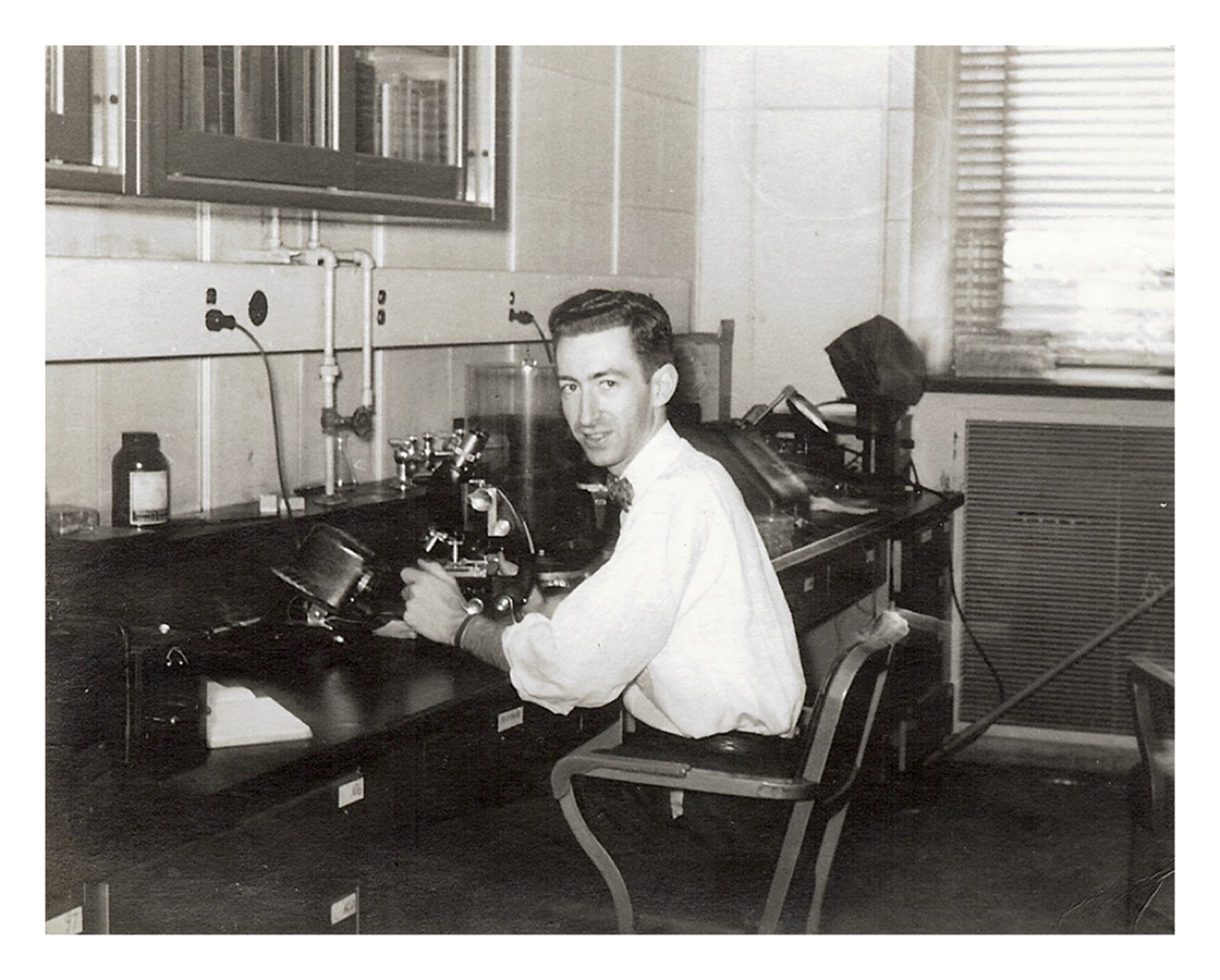
HeLa cells were the first line of human cells to survive in vitro (in a test tube). The cells were taken from tissue samples and grown by a researcher named Dr. George Gey in 1951. Dr. Gey quickly realized that some of the cells were different from ordinary cells. While those died, they just kept on growing. After more than 50 years, there are billions of HeLa cells in laboratories all over the world. It’s the most commonly used cell line, and it’s known to be extremely resilient.
Henrietta-Lacks-2-thumb-400xauto-7959-Edit

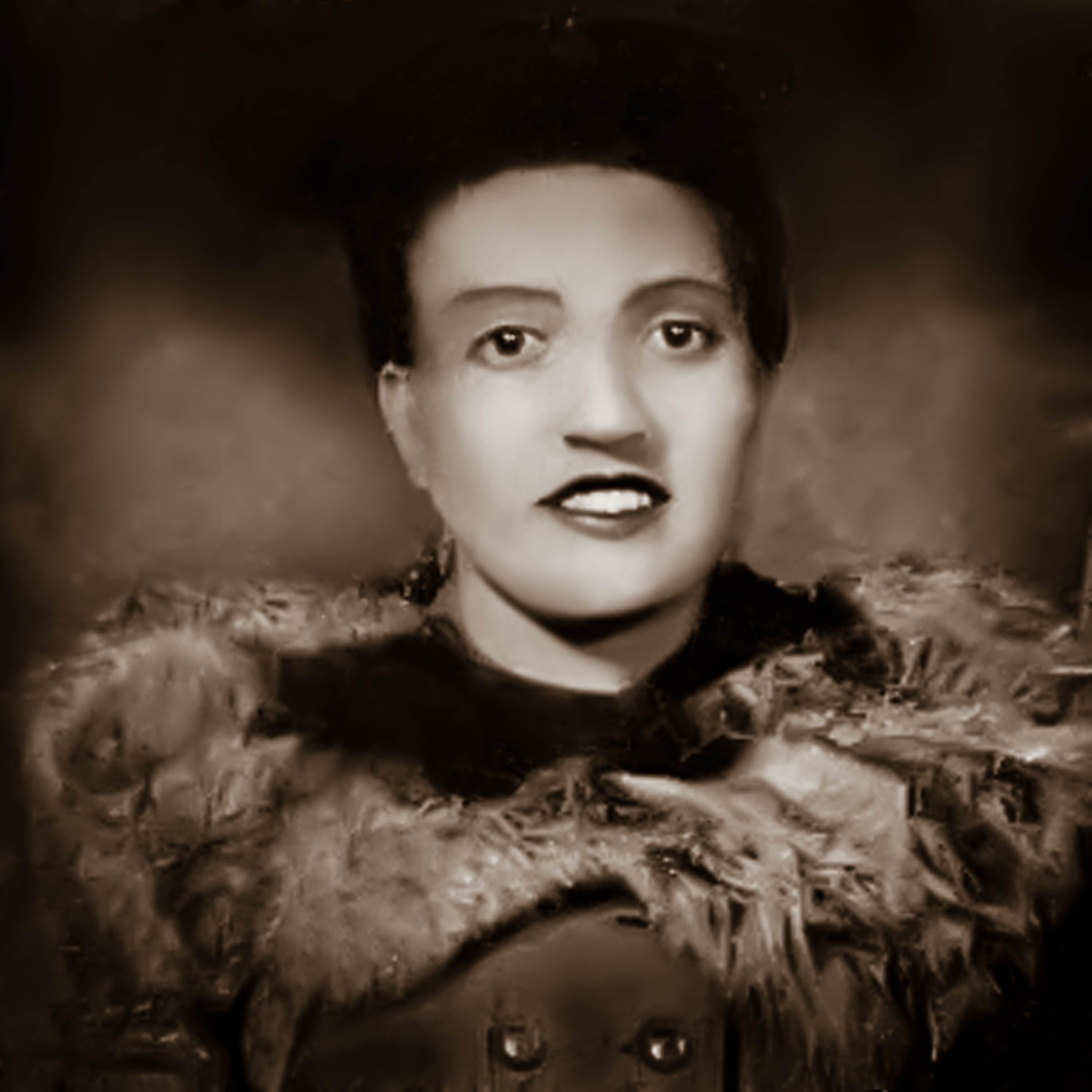
In 1951, a black woman was diagnosed with aggressive cervical cancer, and when she died, doctors took her cells without permission, and these cells never died. Her name was Henrietta Lacks, but scientists know her as HeLa. She was a poor black tobacco farmer whose cells became the foundation for groundbreaking research. From developing the polio vaccine to cloning to gene mapping, her cells helped to make blood pressure medicines and antidepressant pills; they helped develop drugs for treating herpes, leukemia, influenza, hemophilia, and Parkinson’s disease, and more.
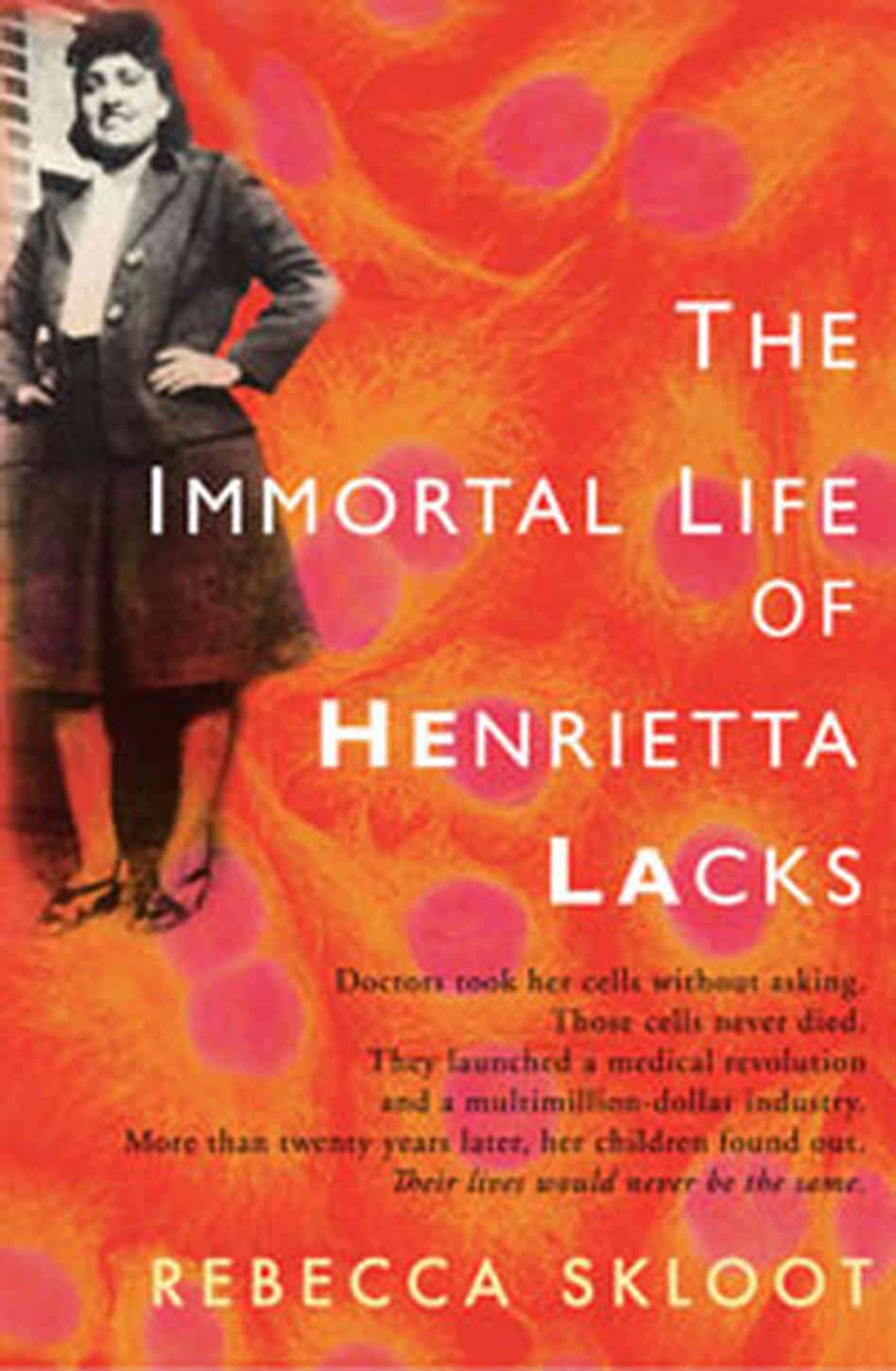
The fact that HeLa cells have been used in some fundamental medical research is impressive enough, but there’s another part of the story — and that part is why Oprah might be making a movie about HeLa. Henrietta Lacks had no idea that her cells were taken and used in this way, and neither did her family. And while the cells became commercialized (researchers can buy a vial of them for $250), Lacks’ family has lived without healthcare and in poverty. Since Henrietta and her family never knew about her cell usage, The Immortal Life of Henrietta Lacks is not a story about her contribution to medical research, so much as the ethics of biomedical research and the practice of informed consent.

Rebecca Skloot documents how one woman’s cells continue to live outside of her body. She achieves this using thousands of hours of interviews, lawyers, ethicists, scientists, Journalists who wrote about the Lack’s family, great archival photos, scientific and historical research, and the personal journal of Deborah Lacks.
Remember, When Going Natural…

“It doesn’t have to be dreads. You can wear an Afro, or braids like you used to. There’s a lot you can do with natural hair” ― Chimamanda Ngozi Adichie

1501d3e6f4566f19aa324da1cea7fa95 enhanced-buzz-6177-1380562649-38 hairstyles-for-natural-hair-11 IMG_0378575x500-300x300 Kyssmyhair-e1426230816154-300x300 maxresdefault natural-hair1 Nigerian-wedding-natural-hair-bridal-hairstyles-taji-salon6 short-natural-hair Style 25

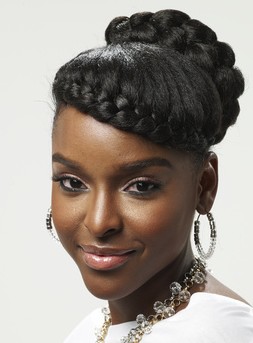
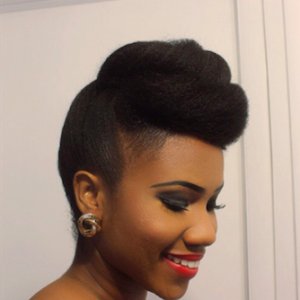
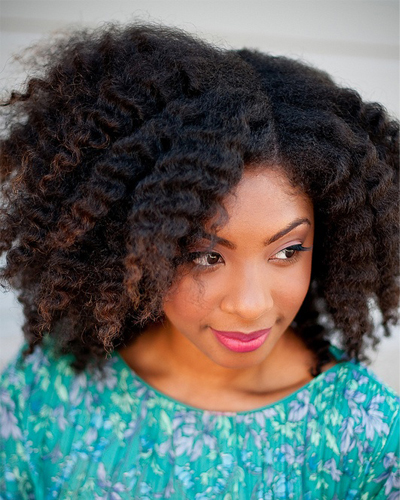
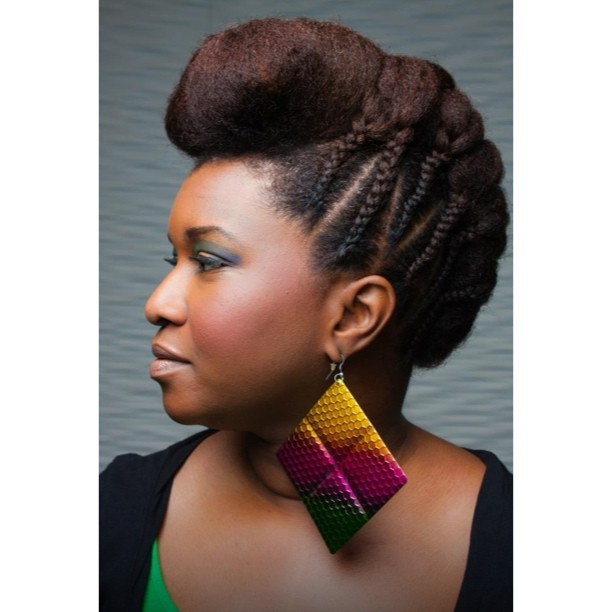
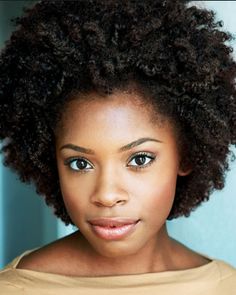
I was speaking with a sista recently who recently tried the natural challenge. That is, she went out on a limb and got locs. Thing is, she got tired of them and washed them out. While there are tons (I means TONS) of benefits to dred locs, I just want to encourage my natural sista’s in prolonging this journey with a reminder: When going natural, there are other styles you can try. Dred locs is the first thing that we think about because it is the most popular and we are in a time of re-awakening which,  as with every movement, is always occupied by a specific hair style. In the 60’s and 70’s it was the Afro, today it is the locs. But if you aren’t too sure about it, there’s a lot of experimenting you could do. There are tons of YouTube videos with tons of styles on how you can twist and pull and shape your antennae* in the way of your desire. Then, once you are comfortable with your natural hair, you can decide if you want to loc it up, which because it’s a permanent style, provides security in that you will endure the natural journey a little bit longer.

*Antennae: Hair is not just strands coming out of your head, but every body part exists to perform a certain function. Hair does not just protect your skull, but hairs are filled with your DNA and often act as Human Antennas or feelers to the physical and spiritual realm. For instance: All matter (solids, liquids, gasses) is made of particles called atoms. And as we learned in school, atoms are made of sub-atom particles called “electrons”, “protons”, and “neutrons”. These sub-atom’s all have electromagnetic fields. That means they are like “mini-magnets”. Your bones, your blood, your skin and your hair are all made of “mini-magnets”. As for your hair, it plays many important roles for your body. The least known role is that of antenna. Your hair is capable of sending/receiving information to and from your body exactly like a radio antenna. We have a large population of Wasps down here in Louisiana in the summer time. A couple summers ago, I noticed that I could hear Wasps buzzing in my ear as I swapped at it, (I hate the sound of bees and wasps buzzing) but I didn’t see anything. That is until a few minutes later when one was coming across the room. I noticed that the locs on the left side of my head were picking up the sound of the wasps before they got near.

According to Wikipedia:

“Antennae are jointed, at least at the base, and generally extend forward from the head. They are sensory organs, although the exact nature of what they sense and how they sense it is not the same in all groups, nor always clear. Functions may variously include sensing touch, air motion, heat, vibration (sound), and especially olfaction (smell) or gustation (taste).”

Hair and the Nervous System

pexels-matheus-natan-5689042
Photo by Matheus Natan

The year 2009 was big for me. I moved away from home, went natural, and advocated for it by producing a documentary after watching Chri Rock’s Good Hair. I set out to do my own research and interview my own people to find out the root cause of all this hair talk. After all, if I was to maintain my natural hair, I had better know why.

Since the release of “I am NOT My Hair: Perms, Weaves, and Hot Combs,” I’ve done more and more research, and I have been able to speak with sisters from all over the U.S. about their hair journey and to offer the DVD as an opportunity to cause a change in their hair health.

Today’s article offers a few tips to help better understand this stuff on top of our heads called hair. As is my custom, I’ll split it into three separate posts.

– Hair and the Nervous System – 9/11/14
– Why Perms are Afraid of Water – 9/12/14
– Why Natural Hair is Dehydrated – 9/13/14

Hair and the Nervous System

I live in the country, and there are a lot of bugs around our home. Sometimes I can pick up their sounds before they get too close because it almost sounds like there are wasps in my hair! I have been natural for five years now, and on the left side of my head, the hair on that side can pick up the sounds of those tiny irritating bugs.

That’s because hair is a hereditary extension of yourself, is connected to your nervous system, and acts as antennae.

“Hair is an extension of the nervous system, it can be correctly seen as exteriorized nerves, a type of highly-evolved ‘feelers’ or ‘antennae’ that transmit vast amounts of important information to the brainstem, the limbic system, and the neocortex. When hair is cut, receiving and sending transmissions to and from the environment are greatly hampered. This results in ‘numbing-out’.”

–  http://banoosh.com/blog/2013/07/12/hair-is-an-extension-of-the-nervous-system-why-indians-keep-their-hair-long/

pexels-ketut-subiyanto-4353622
Photo by Ketut Subiyanto

While it’s fun to play around with our hair and to try different styles, hair is not some miscellaneous body part of ours, which makes us think deeply about the role of the hairdresser.

Hair and hair health is just as important as other bodily functions like skin and nails. It’s not about the style of the hair making one more or less righteous (this is not a natural vs relaxed debate), but this is more so about hair health. How to treat our hair, and what combination of hair products is more or less beneficial.

Have you ever sat down to ponder why a piece of hair can identify who you are? Why do witches use strips of hair to perform witchcraft? Or why the biblical Samson lost all of his power by letting Delilah cut off all his hair? That’s because your hair is part of you and always has been.

The ancient and native peoples knew about this link between long hair, health, and spirituality. They never cut their hair voluntarily. Short hair was a universal sign of slavery, shame, defeat, and a loss of power and identity. You are not a bad person for cutting your hair or wearing a short style. This is only to demonstrate how seriously people have always looked at hair. Many would only cut their hair in the event of captivity, for mourning purposes, or hygiene. It was seen as a way of blocking out the energies of the world.