
Revolution sounds pretty.
This polished word
makes a giddy sound,
like raising your first
or rubbing your feet together.
We quote Martin with a rhythm that swells the chest.
Malcolm’s words hum like power.
Assata’s taste like survival.
Garvey’s tickles the ear.
Lumumba’s boom like djembe drums.
Angela’s convinces the tongue that it is brave.
But no one applauds
the silence that follows a truth
told too clearly
in a world where lies
are the laws of the land.
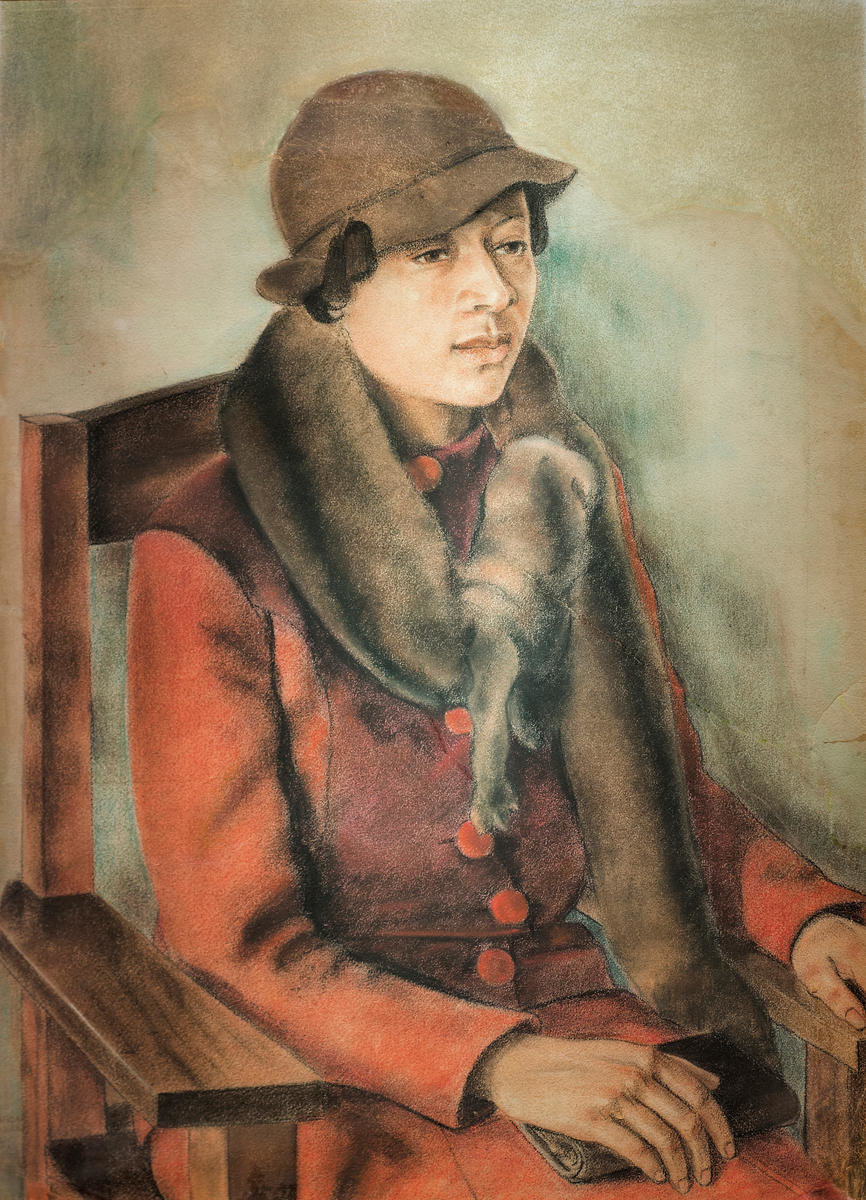
We forget that Zora died counting coins,
her name folded small in her own purse.
Lowered into the earth without a stone to speak for her
in a segregated garden of silence
while her words, once blazing,
lay out of print like abandoned children.
We forget that revolution is only another word for change,
and change is rarely applauded in its own lifetime.
The ones who bend the arc of the world
often do it alone,
unclapped.
Revolution sounds sweet in the mouth
like a hymn rising,
like the lift of a firstborn into waiting arms,
like the soft hush of skin against skin.
But ain’t no red carpet
for the prophet.
Just dust. Truth.
And the long walk home.
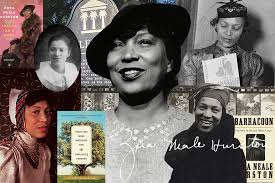
This poem was inspired by an amazing podcast episode of “Our Ancestors Were Messy” about the friendship between Zora Neale Hurston and Langston Hughes (which I’ve hinted at in my novel Renaissance), their fall-out, and what culminated in the tragic ending of a folklorist, documentarian, author, and anthropologist.
Once one of the most successful writers of the Harlem Renaissance, Zora Neale Hurston would die in poverty in the segregated wing of a welfare home. Her body would be buried in an unmarked grave. The woman who preserved Black life faded into obscurity until she was rediscovered by Alice Walker in 1973.
Walker would resurrect Hurston’s writings and place a marker on her grave that read, “Zora Neale Hurston: A Genius of the South.”

 The PBS Blog
Everything you say here is true.
LikeLiked by 1 person
🙌🏾🙌🏾
LikeLike